Sheet processing
Start with material, thickness, sheet size, part mix and required downstream steps.
Material · Thickness · Sheet sizeSolutions
Organize the buying conversation around what you make, how it is processed and what must change in production.
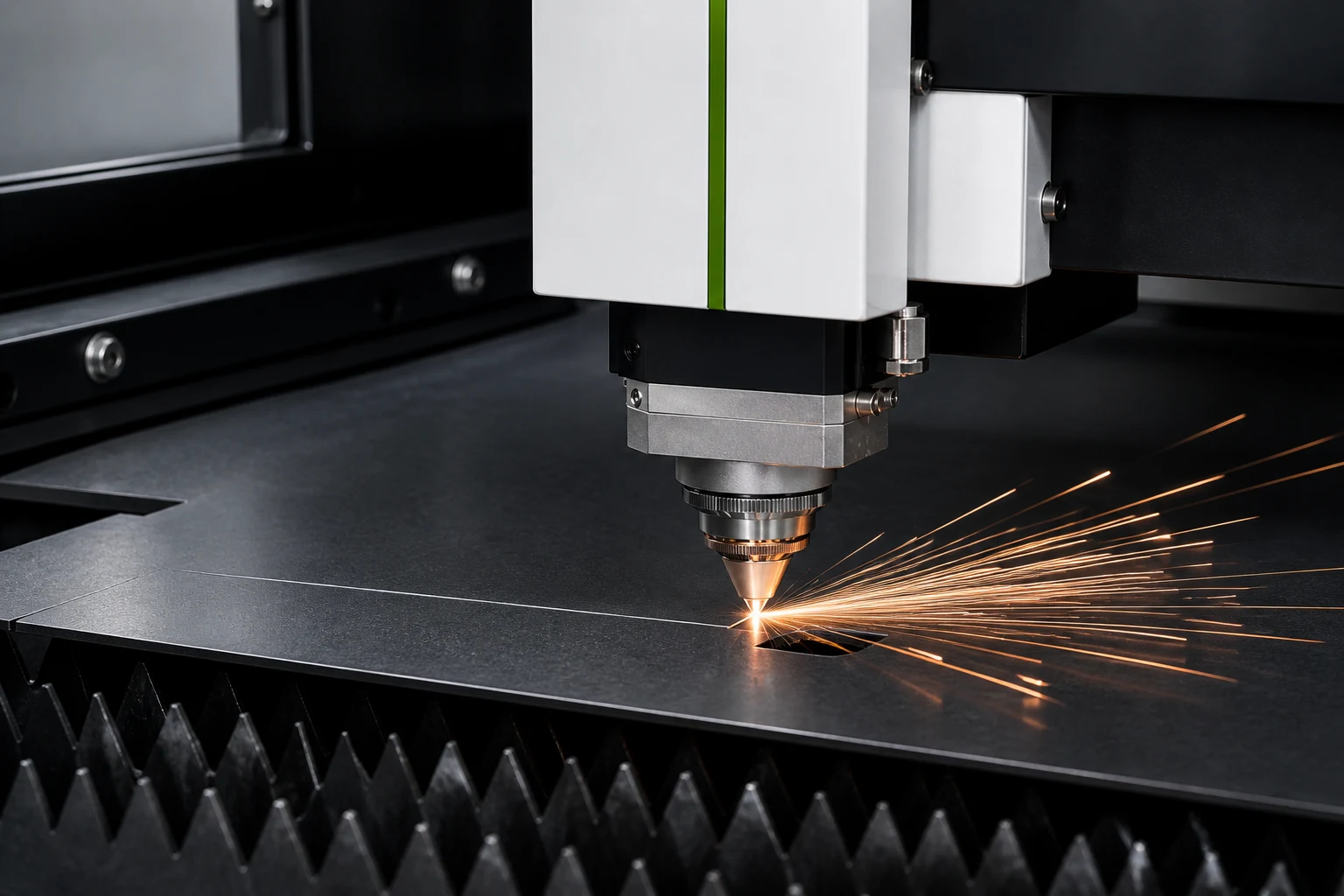
Solution paths
These paths organize the conversation. Specific product recommendations remain dependent on reviewed application data.
Start with material, thickness, sheet size, part mix and required downstream steps.
Material · Thickness · Sheet sizeStart with profile geometry, length, batch pattern and loading requirements.
Profile · Length · LoadingStart with joint type, material condition, finish expectations and operator workflow.
Joint · Finish · WorkflowStart with the repeated task, payload, reach, fixtures, safety area and cycle logic.
Task · Payload · LayoutStart with plate dimensions, thickness range, edge expectations and handling plan.
Plate · Edge · HandlingFrom inputs to scope
A clear brief makes it easier to compare machine structure, process capability, options and integration as distinct questions.
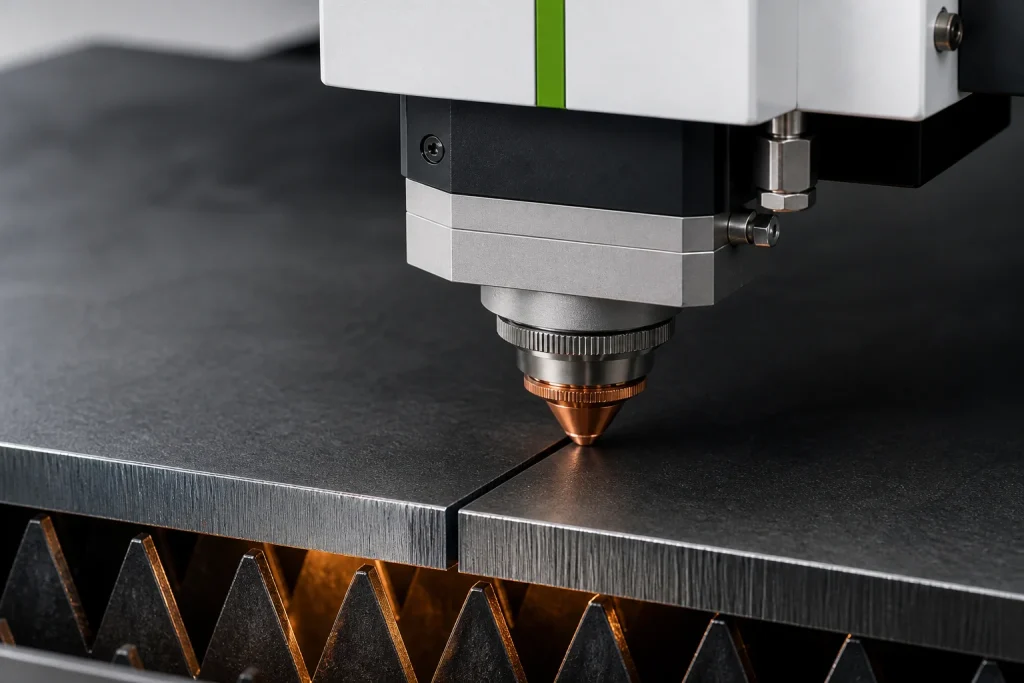
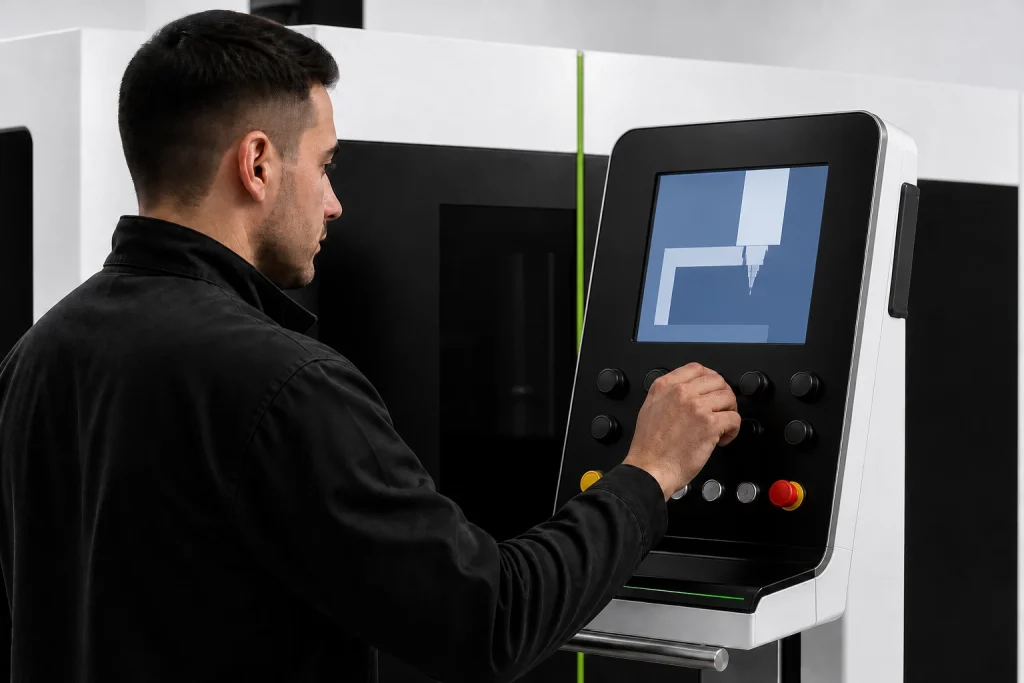
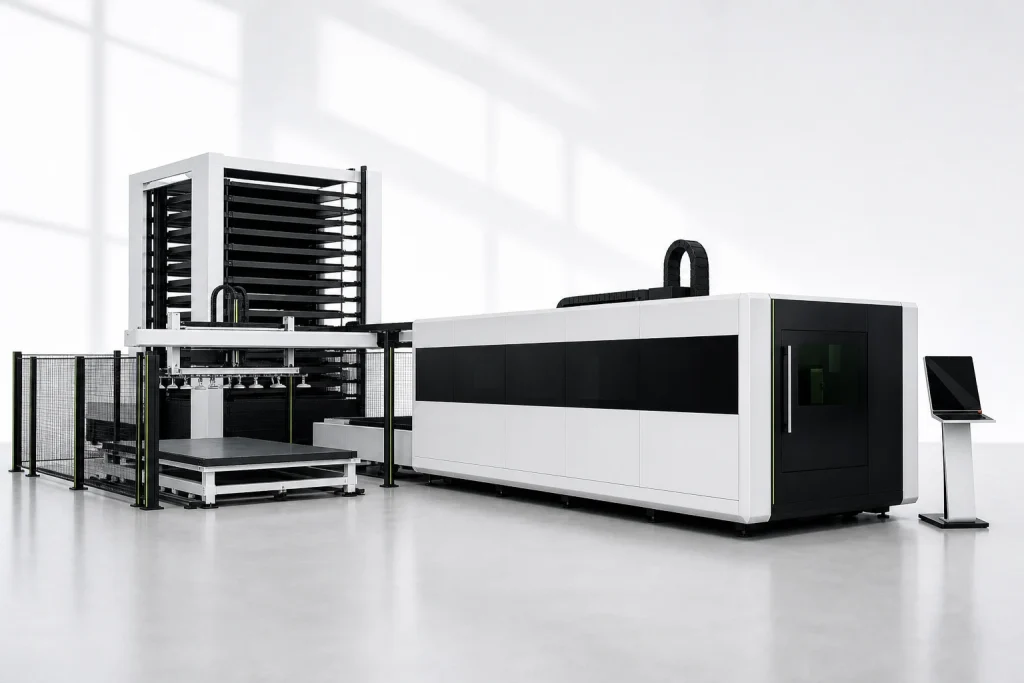
Useful output
Which production path is relevant and why.
Which details still affect machine structure or options.
Which layout, utilities, handling or destination inputs remain open.
Which drawings, samples or technical records are needed next.
Project inquiry
Share the material, workpiece, production target and destination so the next conversation starts with useful context.